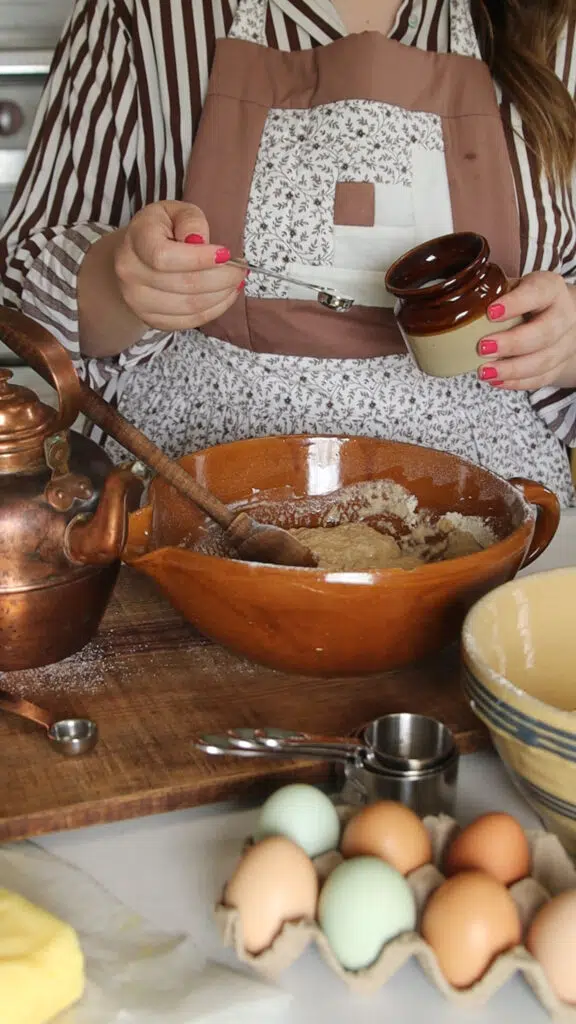
Fresh Milled Flour Baking Guide for Beginners

If you’re new to baking with fresh milled flour, you’re in the right place. Fresh milled flour bakes differently than store-bought flour, and learning how to use it can feel overwhelming at first.
The good news? Once you understand a few simple basics, baking with fresh milled flour becomes second nature. From bread and rolls to muffins and sweet treats, fresh milled flour adds incredible flavor and nutrition to your homemade baking.
In this guide, I’ll walk you through everything you need to know to get started with fresh milled flour, answer common beginner questions, and share my favorite tried-and-true recipes to help you bake with confidence.

What Is Fresh Milled Flour?
Fresh milled flour is flour that is ground from whole grains right before baking. Instead of using flour that has been sitting on a store shelf for weeks or months, fresh milled flour is made at home using a grain mill.
Because the grain is freshly ground, fresh milled flour contains the entire wheat berry, including the bran, germ, and endosperm. This means it has more flavor, better texture, and more natural nutrients than most store-bought flours.
Many home bakers notice right away that fresh milled flour smells better, tastes better, and creates baked goods that feel more nourishing and satisfying.
Why Bake With Fresh Milled Flour?
Baking with fresh milled flour has several benefits that keep people coming back to it once they try it.
Fresh milled flour has a richer, more complex flavor than white flour. It also retains natural oils and nutrients that are often lost during commercial milling. Many people choose fresh milled flour because it feels like a more traditional, wholesome way to bake at home.
Beyond nutrition, fresh milled flour creates baked goods with better texture and depth. Bread feels heartier, rolls are more filling, and even sweet recipes have a fuller flavor.
What Grains Can You Mill at Home?
There are several grains that work well for home milling, especially for beginners.
Hard white wheat is one of the most popular choices because it has a mild flavor and works well for breads, rolls, and everyday baking. Hard red wheat has a stronger, more traditional wheat flavor and is great for hearty breads.
Soft white wheat is ideal for pastries, muffins, cookies, and cakes because it has less gluten. Some bakers also enjoy experimenting with grains like einkorn, spelt, or rye once they feel comfortable.
You don’t need every grain to get started, even one or two types is plenty.

Do I Need Special Equipment to Mill Flour?
To make fresh milled flour, you do need a grain mill. This can be an electric mill or a manual hand mill, depending on your preference and budget.
Beyond a mill, you don’t need much else. A stand mixer can be helpful for bread dough, but it’s not required. Many beginners successfully bake with fresh milled flour using basic kitchen tools.
The most important thing is starting with what you have and learning as you go. Fancy equipment can always come later.
How Is Baking With Fresh Milled Flour Different?
Fresh milled flour behaves differently than store-bought flour, and this is one of the biggest learning curves for beginners.
Fresh milled flour absorbs more liquid, so doughs may feel stickier at first. Giving the dough time to rest allows the flour to fully hydrate and improves the final texture. This simple step makes a big difference.
Fresh milled doughs may also feel softer or heavier, especially at first. With practice, you’ll learn how the dough should feel and adjust as needed.
Can You Substitute Fresh Milled Flour in Any Recipe?
Not every recipe works perfectly with fresh milled flour without adjustments. Some recipes convert easily, while others need small changes to hydration, mixing, or resting time.
Beginner-friendly recipes are specifically written to work well with fresh milled flour, making them a great place to start. As you gain confidence, you can experiment with adapting family favorites and traditional recipes.
Starting with proven recipes helps avoid frustration and builds confidence quickly.
Beginner Friendly Fresh Milled Flour Recipes
If you’re just getting started, these fresh milled flour recipes are great places to begin. They are tested, reliable, and designed to help you learn how fresh milled flour behaves.
- Fresh milled dinner rolls – Soft, fluffy rolls that are perfect for learning how fresh milled dough should feel.
- Fresh milled sandwich bread – A great everyday loaf that works well for beginners.
- Fresh milled cinnamon sugar donut bread – A sweet, easy recipe that shows how fresh milled flour works in quick breads.
- Fresh milled tortillas – Simple ingredients and forgiving dough, great for first-timers.
- Fresh milled pecan streusel muffins – Simple, soft, moist breakfast or dessert great for beginners.

Common Mistakes When Baking With Fresh Milled Flour
One common mistake is adding too much flour too quickly. Fresh milled dough often starts sticky but improves after resting.
Another mistake is skipping rest time. Allowing the dough to rest gives the flour time to absorb liquid and develop structure.
Expecting fresh milled flour to behave exactly like white flour can also lead to frustration. It’s different, and that’s part of what makes it special.
FAQs About Fresh Milled Flour
Is fresh milled flour healthier than store-bought flour?
Yes. Fresh milled flour retains more natural nutrients and oils because it hasn’t been stripped or aged.
Can I store fresh milled flour?
Fresh milled flour is best used right away, but it can be stored short-term in an airtight container or frozen for longer storage.
Does fresh milled flour taste different?
Yes. Most people notice a richer, more full flavor compared to white flour.
Can I use fresh milled flour for sourdough?
Absolutely. Many bakers love using fresh milled flour in sourdough once they understand hydration and fermentation.